When you talk about a pilot, you would assume this person is flying some kind of airplane. Could be for money or for fun, or both. There are plenty of different types of flight operations out there, and all come with different pros and cons. I’m thinking of:
- Airlines: The most popular and usually lucrative thing to do. This is where most of the jobs are
- Corporate and private aviation: That could mean you fly anything from an old and worn-out piston twin in a taxi flight operation, to flying a fancy long-range business jet. Depends mostly on your experience and who you know
- Flight instruction: Teaching others how to fly can be a career path for itself, but for many it is the first step on the career ladder after flight training to build experience (more on that here)
- Military aviation: Everything from flying small training aircraft to big freighters to fighter jets and helicopters
- Specialised niche operations: Things like dropping skydivers, cropdusting, glider towing, survey and surveillance flying, ferry flying (repositioning aircraft from A to B), just to name a few. You might not be paid a salary for some of these, depending where you are and what aircraft you fly, but at least you won’t be paying to build your flight hours
So what is my point here? As mentioned, as much as there are different types of flying, there are various ways to become a pilot, in terms of who will train you and who will pay for it. But one thing in our dynamic and ever-changing world will always apply: Flying and learning how to do it is very expensive. Therefore, find someone else who will pay it for you.
As in other posts I will try to give you general information and to keep this piece free of any hard facts and numbers. There are simply too many different countries and companies out there, all with their own set of requirements for aspiring and experienced pilots. And similar to the other topics I have already started writing about, I believe it makes sense to split this up in several posts. I’d like to avoid making the posts too long, I’m sure you appreciate that…
Military aviation
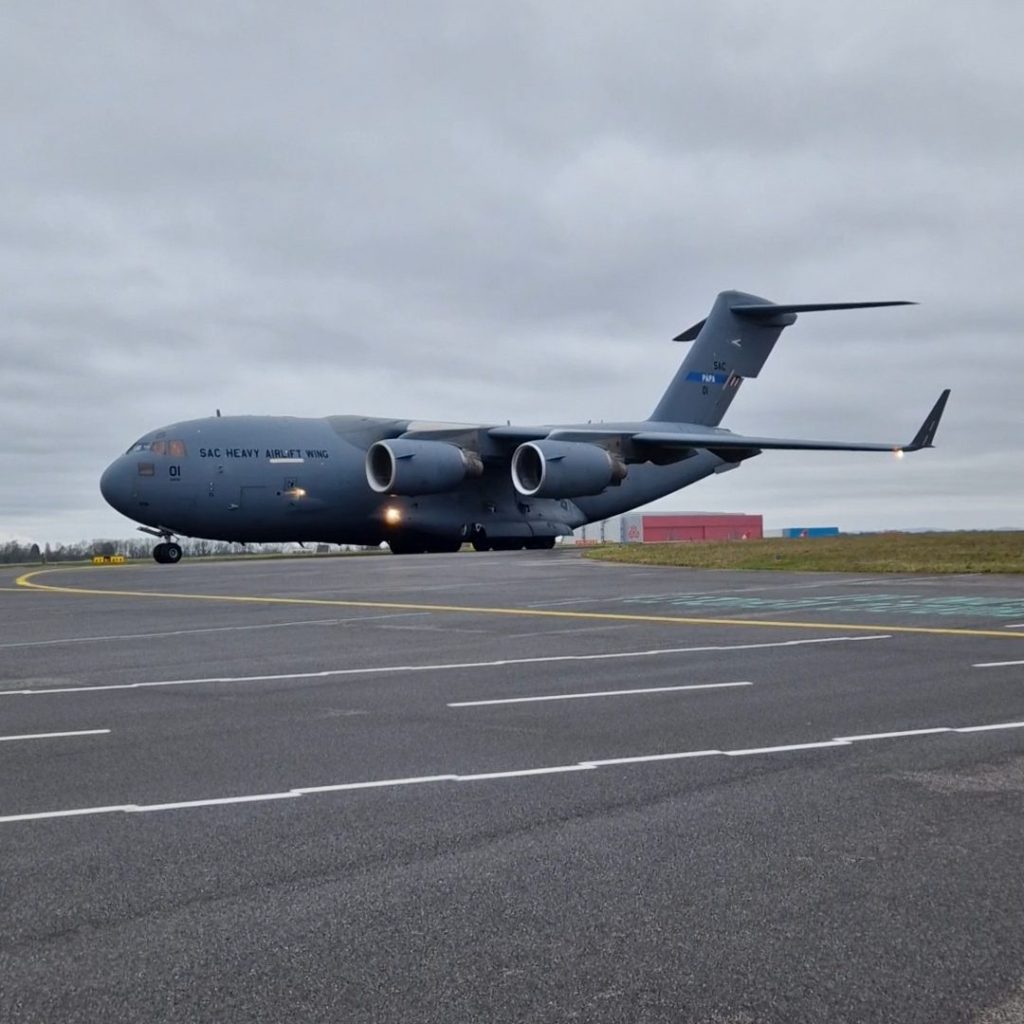
There is no such thing as free lunch nowadays. While an airforce will not ask for your money to train you, they will ask for your time. Military flight training is the most expensive training one can undergo, so you will usually have to commit yourself to serve your country for several years, maybe even a decade or more. If you decide to leave before your term is over, you will have to pay back money. This practice is also standard among civilian operators, let’s call it a bond.
Pros
It’s free
As mentioned, becoming a military pilot will usually not cost you anything. You will be paid already while being a cadet
The hardware, and what you get to do with it
- Many see flying fighter jets as the pinnacle of aviation and yes, only a few lucky ones will eventually end up being a fighter pilot. If that works out for you, you will be doing the kind of flying most pilots can only dream of, in the most advanced aircraft that humankind has developed
- But even if you fly something else like freighters or some kind of support aircraft, you will still get that excellent military training and you will see and do things civilians won’t
Career options
- If you retire after your minimum term you will not only be free of any training debt, you will have a variety of career options. After obtaining a civilian license, military pilots are usually more than welcome in any civilian operation. Your airforce might also help you with financing the training to obtain a civilian license or some other academic education, because at least in Europe your military paper does not mean much to civilian aviation authorities, as odd as it sounds
- You have the possibility to extend your time in the military, keep doing what you’ve been doing and/or rise up in the ranks further. Especially becoming a test pilot can be a highly rewarding thing to do. The most renowned test pilot schools will charge your employer several million dollars to train you, and such a certificate usually will not only make you one of a few specialists in this field worldwide, it will also allow you to pick your employer after you retire
Cons
It’s the military, you might die young
- Being a soldier comes with risk: The ultimate price you might have to pay is losing your life on duty. Especially if you are serving a country which is actively engaged in a conflict or war and therefore sends you into combat. In Europe, you might not ever have to fire a round or drop a bomb outside of an exercise and you have a short commute from your house to your base for most of your career. In other countries like the USA for example, you can very much expect to find yourself based somewhere abroad and far from home, and going into combat. At least for a certain period of time, during which you will see your loved ones on some screen only
- Health issues: The flying you do in high performance fighter jets cannot not be compared to anything you do as a civilian, unless you are a professional aerobatics pilot. It will take a huge toll on your body, especially if you find yourself in some Navy, operating regularly from aircraft carriers
Money
If money is what you are looking for, then your colleagues on the civilian side also might be ahead of you already after a just a couple years. I doubt that any military will not take care of you, but the earning potential can be better in the airline world nowadays
Attitude and authority
- This is a philosophical discussion also and your own values and views are the key here. As mentioned above, you might find yourself in combat, shooting at and potentially killing people. This is the reality, despite of what I wrote in the pros above about the cool stuff you get to play with
- If you have issues with others telling you what to do, then this is also not the way to go for you. Especially in the beginning you can expect to have someone bellowing orders at you 24/7 and maybe even being humiliated. Keep in mind, also in civilian aviation there are rules (a lot of them), a chain of command and authorities and superiors in your neck all the time. But the tone is usually very different, and that would be the biggest showstopper for me, personally
Physical and cognitive requirements
- While you might not have to undergo any testing at all before you sign up in a civilian flight school, the military will put you through the most thorough and strict tests you can possibly imagine. We discussed it already, your training and the hardware you’ll be using is both extremely expensive. Nobody will invest money in you before doing everything possible to minimize the risk of you dropping out for reasons that could be found already before starting your training. You might still drop out further down the road, but that’s why you are going through a selection process which is more strict than anything you’ll see in civil aviation
(Your) conclusion
Military aviation nowadays is the last real chance for many to become a pilot without bringing significant amounts of cash to the table. We will soon look at sponsored airline training schemes and programs on the blog. Yes, they still exist, but might not be available to you unfortunately. So if you can live with the cons we discussed, go for the military route.
 The Hungry Pilot
Leave a comment